Screens Down, Mics Up: How Gen Z Fell Hard for Karaoke
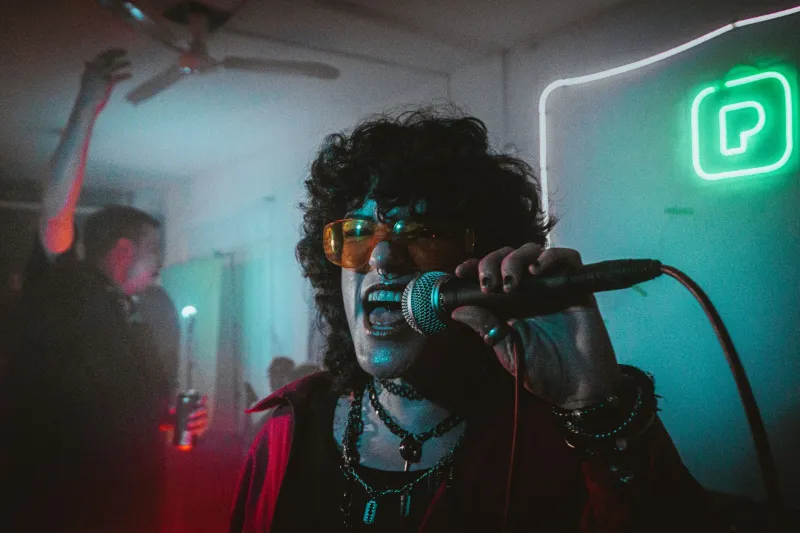
For years, the conventional wisdom was simple: streaming killed everything else. Why go out when you can queue up 90 million songs from your couch? But walk into a karaoke bar on a Thursday night in Austin, Nashville, or Brooklyn right now, and you'll notice something that challenges that whole narrative. The crowd is young. Like, really young. We're talking early twenties, fresh IDs, TikTok-native young — and they are absolutely losing their minds over a format that's been around since the 1970s.
Karaoke isn't just surviving Gen Z. It's thriving because of them.
The Passive Entertainment Burnout Is Real
Here's the thing nobody in the streaming industry wants to admit: watching content is exhausting in its own way. When every platform is fighting for your attention with autoplay, algorithmic rabbit holes, and an endless scroll of recommendations, entertainment starts to feel like homework. Gen Z — more than any generation before them — has grown up with that noise constantly in the background.
So what happens when you're burned out on being a passive viewer? You look for something that actually requires you to show up. Karaoke does exactly that. You can't half-watch it. You can't skip to the next thing. When your name gets called and that mic lands in your hand, you are 100% present — and so is everyone else in the room.
Venue owners across the country are seeing this shift play out in real time. Marcus Delray, who runs a karaoke lounge in Chicago's Wicker Park neighborhood, says his crowd has gotten noticeably younger over the past two years. "We used to see a lot of office parties and bachelorette groups — still do — but now we've got 22-year-olds coming in on a random Tuesday just because they want to do something real," he told us. "They're not just watching the person sing. They're cheering, they're filming, they're invested."
TikTok Didn't Kill Karaoke — It Resurrected It
If social media is the villain in so many stories about Gen Z disconnecting from real life, karaoke might be the plot twist where it actually becomes the hero. Karaoke and short-form video content are, it turns out, a match made in entertainment heaven.
Think about it from a content perspective. A karaoke performance is already a performance — it's got a beginning, a middle, and a payoff. It's shot in a room full of people reacting in real time. The lighting is usually moody and flattering. And the subject matter? Universally relatable. Whether someone absolutely nails Mariah Carey's "Always Be My Baby" or spectacularly crashes and burns on System of a Down's "Chop Suey," that clip is going to land on someone's For You page.
Karaoke venues have smartly started leaning into this. Private karaoke rooms — sometimes called KTV-style booths — have exploded in popularity partly because they give groups a more controlled environment to film their performances. Some spots have started installing better lighting specifically to make content look good. It's a feedback loop: better content brings more people in, more people in means more content, and the whole thing keeps spinning.
"We actually redid the lighting in two of our private rooms after customers kept asking for it," says Priya Anand, who co-owns a KTV-style venue in the San Jose area. "They want to post their performances. We want them to post their performances. It's honestly the best free marketing we've ever had."
Authenticity Is the Currency Gen Z Actually Spends
Here's where it gets a little deeper than just TikTok views. Gen Z has spent their entire conscious lives in a media environment built on curation, filters, and personal branding. They know what a highlight reel looks like — because they've been building their own since middle school. And somewhere along the way, a lot of them got tired of it.
Karaoke is, at its core, an anti-curation activity. You pick a song that means something to you — or that you think will be funny — and then you perform it, imperfectly, in front of strangers who are all in the same boat. There's no editing. There's no retake. The vulnerability is the whole point.
That authenticity hits different for a generation that's increasingly skeptical of polished content. A shaky karaoke video where someone forgets the bridge of "Mr. Brightside" and laughs through it anyway? That's real. That's shareable. That's the kind of moment people actually want to be part of.
What Venues Are Doing to Keep the Momentum Going
Smart venue operators aren't just sitting back and watching Gen Z walk through the door — they're actively building experiences designed to keep them coming back. A few trends worth watching:
Song catalog diversity is non-negotiable. Gen Z listeners have eclectic tastes shaped by algorithm-driven discovery. A karaoke library that stops at classic rock and 2000s pop is going to lose them fast. Venues are investing in systems that include current chart hits, hyperpop, K-pop, and even tracks from viral TikTok sounds. If it's trending online, it needs to be in the catalog.
Themed nights are pulling serious crowds. "Taylor Swift nights" and "90s R&B throwbacks" give younger audiences a specific reason to show up on a specific night — and something to dress for, post about, and plan around. It turns a karaoke night into an event.
Low-pressure formats matter. Not everyone wants to sing in front of a full bar crowd. Private room bookings have surged because they lower the stakes just enough to get first-timers comfortable. Once someone sings with their friend group in a private room, they're way more likely to graduate to the main stage.
The Bigger Picture for the Karaoke Industry
None of this means streaming is going away. Nobody's canceling their Spotify subscription. But what the Gen Z karaoke wave really tells us is that people — especially young people — are hungry for experiences that demand participation. Watching isn't enough anymore. They want to do something, feel something, and share something that actually happened in a room with other humans.
Karaoke has always offered that. It just needed a generation burned out on passive consumption to rediscover it.
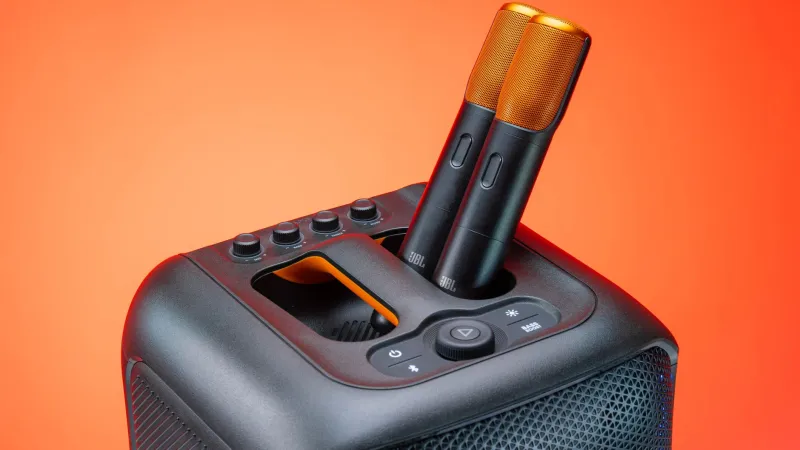
For venues, the opportunity is wide open. For home enthusiasts building out their own setups to host friends, the timing couldn't be better. And for anyone who's been on the fence about grabbing the mic — honestly, what are you waiting for?
Your stage is ready. The song is cued up. And if it ends up on TikTok, well, that's just a bonus.