You Can Actually Get Better at This: The Rise of Karaoke Coaching for Everyday Singers
Let's be honest about something. Most people who do karaoke regularly have a ceiling they've hit and quietly accepted. They know their three or four songs, they know roughly how they sound, and they've made peace with the gap between what they hear in their head and what comes out of the speakers. It's fine. It's karaoke. Nobody's expecting Adele.
But a growing number of people are deciding that "good enough" isn't actually good enough — and they're hiring coaches to do something about it.
Vocal coaching for amateur singers isn't new. But karaoke-specific coaching? That's a distinctly modern phenomenon, and it's expanding faster than most people realize.
What Karaoke Coaching Actually Is (And Isn't)
First, let's clear something up. Karaoke coaching isn't about turning hobbyists into professionals. Nobody's promising you a record deal. The focus is narrower and, frankly, more useful: helping everyday singers perform more confidently, choose songs that suit their voice, manage stage nerves, and actually enjoy the experience rather than just enduring it.
"My clients aren't trying to become singers," says vocal coach Dana Ferris, who runs a small online coaching practice in Portland, Oregon. "They just want to stop dreading their turn at the mic. Or they want to finally nail that one song they've been attempting for two years. Those are completely legitimate goals."
Ferris started offering karaoke-specific sessions about three years ago after noticing that a significant portion of her general vocal students were primarily motivated by bar performances and home karaoke nights — not recitals or auditions. She now offers dedicated packages that focus on song selection, breath control for amplified environments, and managing the specific anxiety that comes from performing in front of people you actually know.
That last part — performing for people you know — is what makes karaoke psychologically distinct from other kinds of public performance. Singing in front of strangers is one thing. Singing in front of your coworkers or your partner's friends is something else entirely.
The Tech That Makes Remote Coaching Work
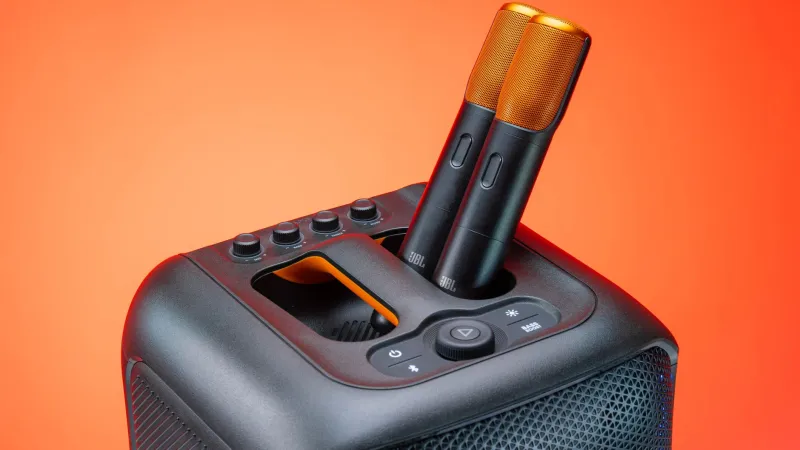
The coaching boom wouldn't be possible without a parallel boom in home karaoke gear that supports real feedback. This is where the equipment side of the story gets genuinely interesting.
Modern home karaoke setups — particularly those running on platforms like Singtrix, Vokal, or KaraFun paired with a decent USB microphone — can capture vocal performances with enough fidelity for a coach to actually hear what's happening. Some systems include built-in pitch monitoring tools that display your note accuracy in real time, which gives both the singer and the coach concrete data to work with instead of subjective impressions.
"The Singtrix system is great for this because it has vocal effects you can dial back," says Marcus Ito, a Seattle-based coach who specializes in online karaoke training. "When a student is leaning on the reverb or the pitch correction to hide weaknesses, I can have them reduce those effects and we can hear what's actually going on. That's where the real work happens."
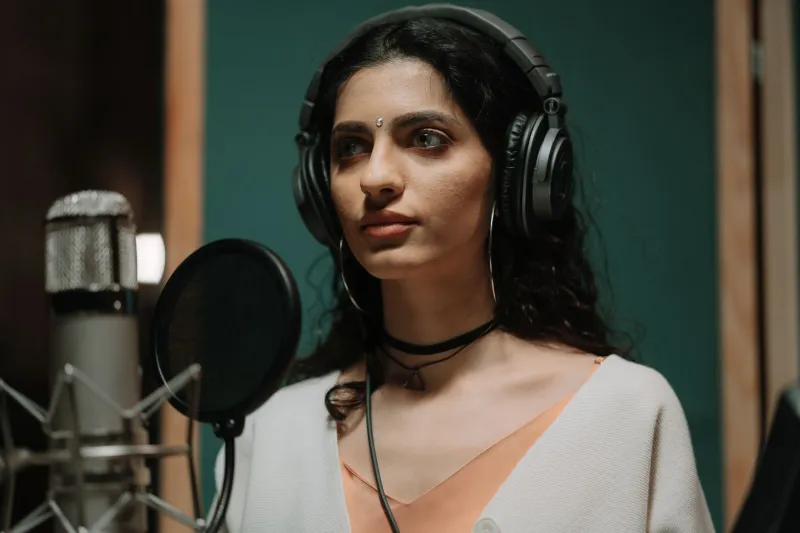
For singers serious about improvement, a few specific gear investments make a meaningful difference. A cardioid condenser microphone (rather than a standard dynamic mic) picks up more nuance in your voice, which is useful for coaching sessions even if it's not what you'd necessarily use at a bar. A small audio interface — something like a Focusrite Scarlett Solo — lets you route that mic signal into coaching software or a simple DAW for recording and playback. Hearing yourself back after a performance, without the heat of the moment clouding your judgment, is one of the fastest ways to identify what needs work.
Some coaches are also using video call tools with screen-sharing to walk students through their pitch graphs in real time. It sounds technical, but in practice it's pretty intuitive — you can see exactly where you went flat on that chorus, and suddenly the problem isn't mysterious anymore.
What the Training Actually Covers
Karaoke-specific coaching programs tend to cluster around a few core areas.
Song selection is almost always the starting point. A huge percentage of karaoke struggles come down to picking songs that don't suit the singer's natural range or style. A coach will typically spend the first session just identifying where a student's voice lives comfortably — their "sweet spot" — and then building a repertoire of songs that fit within it. This alone can transform someone's confidence at the mic.
Breath support is the second pillar. Most amateur singers run out of air at the wrong moments, which creates cracking, flatness, and that panicked look right before the high note. Coaches use simple exercises — some borrowed from classical training, some from theater — to help singers sustain phrases without losing control. The good news is that breath control responds quickly to even basic practice. Students often notice a difference within a few weeks.
Stage presence and anxiety management round out the typical curriculum. This is where the karaoke-specific nature of the coaching really shows. A classical voice teacher might not have much to say about what to do with your hands when you're holding a microphone in front of a bar crowd. A karaoke coach does. Small things — where to look, how to use the monitor screen without staring at it, how to recover gracefully when you lose your place — make an outsized difference in how a performance lands.
The Online Market Is Booming
The majority of karaoke coaching today happens online, which has dramatically expanded access. Platforms like TakeLessons and even generic session-booking tools on coaches' own websites have made it easy for someone in rural Kansas to work with a specialist in Los Angeles. Rates vary — you can find introductory sessions for around $30 to $50, with ongoing packages ranging up to $150 or more per hour for experienced coaches.
There's also a growing library of self-guided content for people who want to improve without the ongoing expense of one-on-one coaching. YouTube channels dedicated specifically to karaoke performance tips have built substantial audiences. Some coaches have launched Patreon communities or structured video courses that walk singers through the fundamentals at their own pace.
"The demand is real," says Ferris. "People are embarrassed to admit they want to be better at karaoke, like it's a frivolous thing to care about. But it's not. Singing in front of people takes courage. Getting better at it is a completely reasonable goal."
Is It Worth It?
For anyone who does karaoke regularly — whether that's weekly bar nights or monthly home parties — even a few sessions with a qualified coach can produce noticeable results. The investment is modest compared to, say, upgrading your home audio setup, and the returns are arguably more immediate.
But even without a coach, the habits that coaching instills — recording yourself, choosing songs intentionally, practicing breath support — are accessible to anyone with a phone and a quiet room. The equipment helps. The guidance accelerates the process. But the real shift is deciding that getting better at something you love is worth the effort.
That's not a small thing. And on a karaoke stage, it shows.