We Tested the Karaoke Machine Aisle So You Don't Have To: 2026's Winners and Wastes of Money
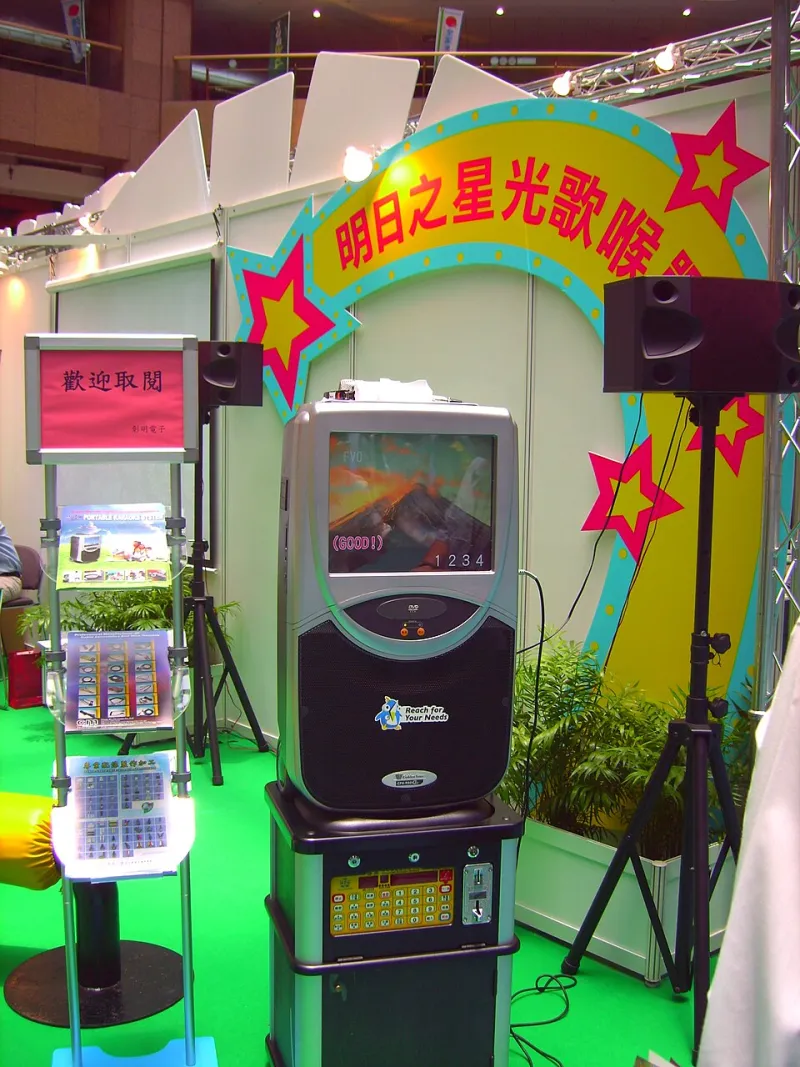
Photo: Rico Shen, CC BY-SA 3.0, via Wikimedia Commons
Walk into the karaoke machine market in 2026 and you'll find everything from $60 plastic boxes to $800 portable rigs that sound like actual PA systems. The gap between the good stuff and the junk has never been wider — and the marketing copy has never been less helpful. Every box says "party." Almost none tell you whether the mic will feed back, whether the song library requires a subscription that might vanish, or whether the thing will survive a second tailgate.
We scored machines on four criteria: sound quality, song library access, portability, and durability. Here's where things landed.
The Winners
1. Singing Machine Groove Mini — Best Budget Pick (~$90)
For the price, nothing else comes close. It streams from your phone via Bluetooth, so your song library is whatever karaoke app you subscribe to — which means it can't be bricked by a licensing deal expiring. Sound is thin at high volume but perfectly fine for a living room.
2. ION Audio Block Rocker Plus — Best All-Around (~$250)
Technically a PA speaker with karaoke features, and that's exactly why it wins. Real speaker components, a mic input that doesn't hiss, battery life measured in all-day terms, and wheels with a handle. This is the machine for backyard parties, tailgates, and garage singalongs.
3. KaraoKing Karaoke Machine for Adults — Best for Home Lounges (~$300)
Two wireless mics, a mixer-style control panel, and enough power to fill a basement. The build quality feels like it'll last a decade, which matters when the cheaper options feel like they're auditioning for a landfill.
4. Singsation Star Burst — Best for Kids and Families (~$130)
Most kids' machines are toys that frustrate everyone within a week. This one has actual audio quality, fun light effects that don't feel cheap, and works with any streaming app rather than a locked-in library.
5. Bose S1 Pro+ — Best Premium (~$700)
Overkill? Absolutely. But if you're building a home lounge or hosting serious parties, this is a professional speaker that happens to be a phenomenal karaoke rig. Bluetooth, two mic channels, and sound that embarrasses everything else on this list.
6. JYX Portable Karaoke Machine — Best Under $150 (~$120)
Surprisingly honest sound for the price, a 10-hour battery, and a design that survives being tossed in a trunk. The mic included is mediocre — budget $30 for an upgrade.
7. Starion KS829 — Best Midrange Home Unit (~$200)
A dedicated karaoke machine with a screen, dual mic inputs, and built-in effects. The screen is small and the interface feels dated, but the audio path is solid and everything just works.
8. Tonor PA System with Wireless Mics — Best for Small Venues (~$350)
Not marketed as karaoke gear, but bar owners and basement-lounge builders keep buying it. Two wireless mics, honest power, and a footprint that fits behind a bar.
9. Masione Bluetooth Karaoke Speaker — Best Stocking Stuffer (~$70)
It won't impress anyone, but it's fun, it's cheap, and it makes a genuinely great gift for the person in your life who sings in the shower.
10. Altec Lansing Mix 2.0 — Best Duet Machine (~$180)
Two mics, two volume knobs, and a mixer built for two people singing at once. Simple, durable, and built around the most fun karaoke format there is.
The Three to Avoid
Avoid #1: Licensed-library machines from defunct services. Several brands sold units hardwired to proprietary song catalogs. When the licensing deals lapsed, those machines became $200 paperweights. Rule of thumb: never buy a karaoke machine whose songs live only inside it.
Avoid #2: The "$99 pro system" from marketplace sellers. You know the ones — covered in stock photos, five-star reviews that all arrived the same week. The mics feed back, the speakers rattle at half volume, and returns are a nightmare.
Avoid #3: Overpriced kids' branded units ($150+). A licensed character on the box adds zero audio quality. The $60–$130 family options above outperform them in every measurable way.
The Bottom Line
The smartest move in 2026 is buying hardware that treats karaoke as a use case, not a prison. Machines that stream from your phone or accept any mic will still be useful in five years. Machines with locked-in song libraries won't. Your voice deserves better than a plastic toy — and honestly, so does your living room.