From Storage Space to Stage: Inside America's Basement Karaoke Lounge Boom
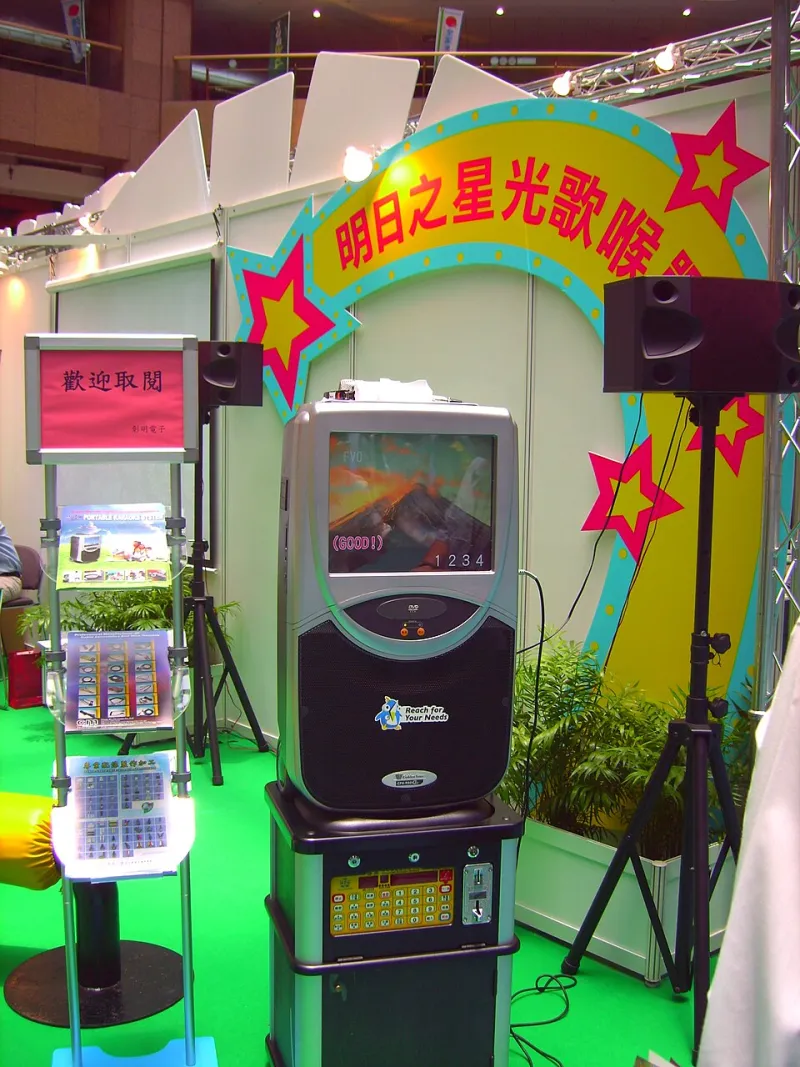
Photo: Thekohser, CC BY-SA 4.0, via Wikimedia Commons
Somewhere between the pandemic-era home gym craze and the rise of the backyard she-shed, a quieter renovation trend took hold — literally quieter, thanks to a few layers of acoustic insulation. Across the country, homeowners are converting basements, garages, and bonus rooms into dedicated karaoke lounges. Not home theaters. Not man caves. Rooms built around one purpose: handing someone a microphone without waking the neighbors.
If you've ever ended a karaoke night at your local bar thinking "I wish I could do this every weekend," this movement is worth understanding. Because unlike a home theater, a sing space has its own rules — and getting them wrong means echo, complaints, and a room nobody wants to use.
Why Now? The Perfect Storm of Cheap Gear and Long Memories
Three things collided to make this trend take off. First, quality karaoke equipment got dramatically cheaper — a wireless mic system and powered speaker that cost $1,200 five years ago now runs under $400. Second, streaming-based karaoke apps killed the disc library problem; your song catalog is now a subscription, not a shelf of DVDs.
And third, maybe most importantly: people got a taste of singing at home and didn't want to give it up. Ask anyone who hosted regular living-room singalongs in 2020. The habit stuck.
Start With the Room, Not the Speaker
The most common mistake in DIY sing-space builds? Spending the whole budget on gear and nothing on the room itself. A bare-basics basement with concrete walls and a low ceiling will make even a great singer sound like they're performing in a parking garage.
You don't need professional studio treatment, but you do need the basics:
- Absorption over reflection. Rugs, curtains, upholstered furniture, and a few acoustic panels on the walls tame the flutter echo that makes recordings sound harsh.
- Ceiling height matters. Under seven feet and your singer feels claustrophobic at the mic; over nine and the room starts to feel like an auditorium.
- Mind the bass buildup. Corners collect low-frequency energy. A bookshelf or bass trap in each corner works wonders.
How Much Space Do You Actually Need?
A comfortable lounge for four to eight people needs roughly 150 to 250 square feet. That's a one-car garage bay or a decent chunk of a finished basement. Going bigger than 400 square feet means you'll need more speakers and more power — the sound has to reach the back of the room, not just the couch.
Don't skip ventilation. Singing crowds generate heat and humidity fast, and a sealed basement room gets stuffy within an hour. If your HVAC doesn't serve the space, a through-wall or ductless mini-split unit is the standard fix. Budget $1,500 to $4,000 if you're adding one.
Three Budget Tiers That Actually Work
The Weekender (under $1,500): A powered 10-inch PA speaker, a two-channel wireless mic system, a smart TV running a karaoke app, and a big area rug. Acoustic treatment means moving blankets and thrift-store curtains. It's not fancy, but it's genuinely fun.
The Real Lounge ($3,000–$8,000): Two speakers for stereo, a small mixer, four wireless mics, dedicated LED lighting, proper acoustic panels, and seating arranged in a semicircle facing the screen. This is where most finished basements land.
The No-Complaints Build ($10,000+): Room-within-a-room construction, a solid-core door with seals, a mini-split HVAC system, and pro-grade treatment. At this level, you can run a full-volume singalong at 11 p.m. and the neighbors hear nothing. Homeowners who've done it say it's the single best renovation decision they've made.
Lessons From People Who've Already Done It
The converts we've talked to repeat a few themes. One: put the screen at seated eye level, not mounted high like a sports bar — singers read lyrics, they don't watch them. Two: buy one more wireless mic than you think you need; duets are inevitable. Three: dimmable lighting isn't a luxury. Nobody wants to belt a power ballad under a fluorescent bulb.
And the most repeated lesson of all? Soundproof the door before you buy anything else. The best equipment in the world doesn't matter if the whole household can hear every note through the floorboards.
The sing-at-home era isn't a fad. It's the home bar of this generation — a reason to gather, a reason to stay in, and a whole lot of fun packed into a room you already owned.