Spotify Can't Do This: Why Millennials Are Ditching Headphones for the Karaoke Mic

For a generation that spent its formative years building the perfect Spotify playlist, discovering deep cuts on YouTube, and arguing about which streaming service had the best interface, karaoke might seem like a step backward. No curated algorithm. No skip button. No noise-canceling headphones between you and the world.
And yet, that's exactly the point.
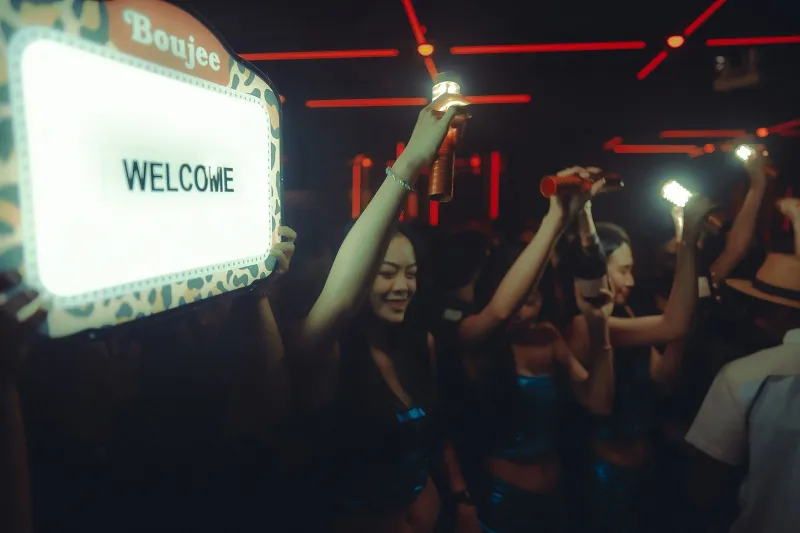
Across the country, millennials in their late 20s and 30s are flooding karaoke bars, booking private rooms, and yes, absolutely murdering Fleetwood Mac songs on a Tuesday night—and they couldn't be happier about it. The generation that digitized everything is making a loud, slightly off-key case for analog fun.
The Listening Fatigue Nobody Talks About
Here's the thing about having access to every song ever recorded: it can feel weirdly empty after a while. Millennials have been passive consumers of music longer than any generation before them. They had Napster as kids, iTunes as teenagers, and Spotify as adults. Music became something that happened to them rather than something they participated in.
Research in social psychology has pointed to a growing phenomenon sometimes called "experience hunger"—a craving for moments that feel genuinely unscripted and socially connected. After years of concert livestreams, Zoom happy hours, and algorithmic recommendations, a lot of people in the 28-to-42 age bracket are starving for something that can't be replicated through earbuds.
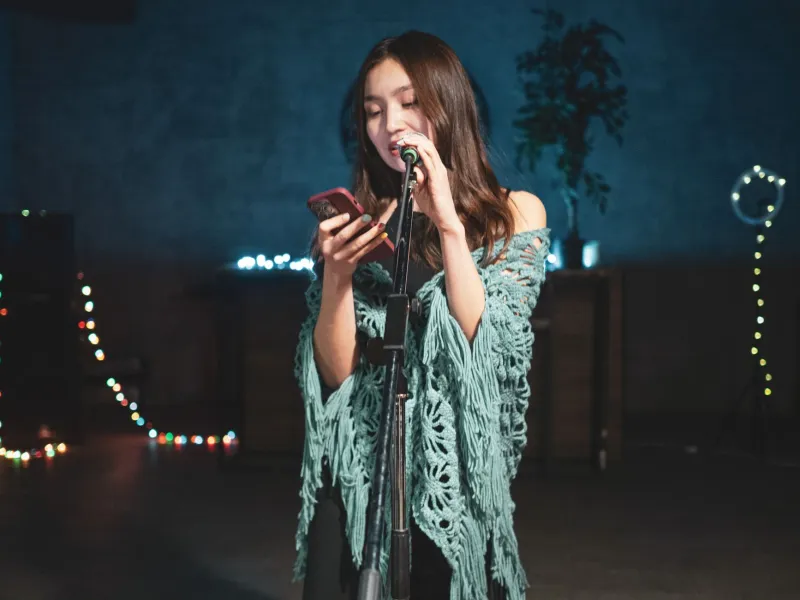
Karaoke fills that gap in a way almost nothing else does. It's participatory, it's communal, and it's gloriously imperfect. You can't undo a cracked high note. You can't skip to the next track when the room erupts in supportive laughter. That rawness? That's the whole product.
From Passive Listeners to Reluctant Performers
Talk to any karaoke venue owner in a mid-size American city and they'll tell you the same thing: the demographic has shifted. The college-night crowd is still there, sure, but there's a whole new wave of regulars who look like they just came from a PTA meeting or a work happy hour—because they did.
What changed? A few things happened at once.
First, the pandemic reset social expectations. After years of isolation, people emerged genuinely hungry for in-person experiences that felt meaningful rather than transactional. Grabbing a drink at a bar and scrolling your phone isn't enough anymore. People want to do something together.
Second, social media—particularly TikTok—reframed performance as something accessible and even cool for regular people. Millennials watched countless videos of strangers belting it out and thought, I could do that. The mental barrier between "performer" and "audience member" got a lot shorter.
Third, and maybe most importantly, karaoke carries nostalgia. For many millennials, it's tied to memories of birthday parties, college bars, and family road trips where someone's dad absolutely destroyed "Don't Stop Believin'" in the best possible way. Returning to the mic is partly a homecoming.
How Millennials Are Reshaping Song Catalogs
The millennial karaoke revival isn't just changing who shows up—it's changing what gets sung. Venue operators have noticed a significant shift in song request patterns over the past three to four years.
The classic karaoke canon—your "Livin' on a Prayer," your "I Will Survive," your "Sweet Home Alabama"—still pulls weight. But millennial regulars are pushing for deeper cuts. Think Alanis Morissette's Ironic, Destiny's Child deep dives, early 2000s pop-punk that hits the nostalgia nerve just right. Paramore. Nelly. Outkast. Songs that were playing in the background when this generation was figuring out who they were.
Venues that are smart about this are updating their digital catalogs aggressively. A karaoke library that stops in 2010 is going to feel stale to a crowd whose musical identity spans multiple decades and genres. The best venues are investing in catalog subscriptions that pull in licensed tracks across eras, because millennials want the option—even if they still end up singing "Mr. Brightside" every single time.
The Private Room Revolution
One trend that tracks perfectly with millennial psychology is the explosion of private karaoke room bookings. Rather than competing for mic time in a big open bar, a lot of millennials prefer booking a small room with their closest friends—somewhere they can be ridiculous without judgment from strangers.
This isn't shyness, exactly. It's more about control. Millennials like curated experiences. They want to set the vibe, choose the songs, and control the pacing of the night. Private karaoke rooms deliver all of that while still offering the live, participatory energy that streaming never could.
For venue owners, this is worth paying attention to. The demand for bookable private spaces is strong enough that some bars are converting underused areas into small karaoke suites. The ROI, by most accounts, is solid—groups tend to stay longer, drink more, and tip well when they've got their own space.
What Streaming Will Never Be Able to Offer
Spotify is genuinely incredible at what it does. But it cannot give you the moment when your friend, who swore she couldn't carry a tune, grabs the mic and absolutely floors the room with a Brandi Carlile song. It can't recreate the collective groan when someone picks a seven-minute power ballad and commits fully. It doesn't capture the way a room of strangers suddenly becomes a room of friends when everyone knows the chorus.
That's the thing about karaoke that no playlist can touch: it's live. It's happening right now, and it will never happen exactly this way again.
Millennials, a generation that has more access to recorded music than any humans in history, have figured out that access isn't the same as experience. The mic is calling, and they're finally answering.
If you're a venue owner wondering whether it's worth updating your system, expanding your catalog, or investing in better sound equipment—the answer, right now, is yes. The crowd is there. They just need a stage worth stepping onto.