Back at the Mic: What Finally Brings Lapsed Singers Out of Retirement
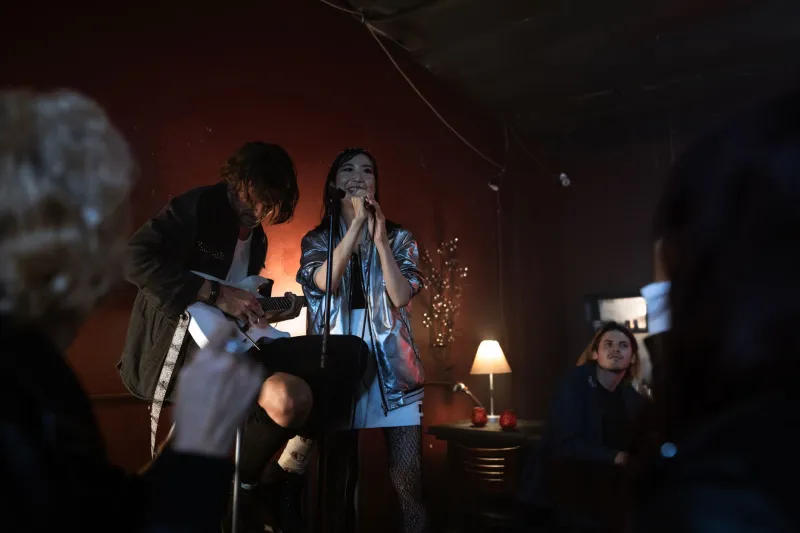
There's a specific kind of magic that happens when someone who hasn't touched a microphone in fifteen years steps back up to sing. The nerves are real. The rust is obvious. But so is the grin—wide, slightly disbelieving, like they can't quite believe they let themselves stay away this long.
Across the country, karaoke venues are noticing something interesting: the crowd isn't just getting younger. It's also getting older, or rather, it's welcoming back people who drifted away during their thirties, their parenting years, their "I don't really do that anymore" phase. These returning singers aren't exactly newcomers, but they're not regulars either. They're something in between—and understanding them might be one of the most underrated opportunities in karaoke right now.
Life Has a Way of Pulling People Back In
Ask a returning karaoke singer what finally got them back out there, and you'll hear a surprisingly consistent set of answers. Birthdays—especially the round ones—come up constantly. Divorces, too. Job changes, cross-country moves, kids leaving for college. The common thread isn't happiness or sadness exactly; it's transition.
"I hadn't done karaoke since my late twenties," says Marcus, a 44-year-old project manager from Columbus, Ohio. "Then my youngest left for school and my wife suggested we go out on a Friday like we used to. We ended up at this bar with a karaoke setup, and I don't know what happened—I just got up there. I sang 'Don't Stop Believin'' and I cried a little, honestly."
That emotional release isn't accidental. Psychologists who study nostalgia describe it as a "self-continuity" mechanism—a way of reconnecting with a version of yourself that felt more open, more spontaneous, maybe just more fun. Karaoke, with its catalog of songs tied to specific eras of your life, is practically engineered for that kind of time travel.
The Nostalgia Pipeline Is Real
Pop culture has been doing a lot of the heavy lifting here. The resurgence of '80s and '90s aesthetics in film, TV, and fashion has given an entire generation permission to revisit the music that defined their younger years. When a song from your college playlist shows up in a Netflix series or goes viral on social media, it doesn't just make you feel something—it makes you want to perform something.
Venue owners are paying attention. Sarah Hendricks, who runs a karaoke bar in Nashville, says she's deliberately expanded her song catalog to cover deeper cuts from the '90s and early 2000s. "We noticed that when we added more of that era—not just the obvious hits but the B-sides, the album tracks—we started seeing a different crowd. People in their forties coming in on weeknights, which is honestly great for business."
That catalog strategy matters more than most venues realize. A returning singer who can't find the song that defined their college years will walk out disappointed. But one who discovers that the system has their deep cut? That person is coming back next week.
The Intimidation Factor (And How Venues Are Solving It)
Here's the thing about returning singers: they're not the same as first-timers, but they're also not fully comfortable. They remember loving karaoke, but they've also spent years in a world where performing publicly wasn't part of their routine. There's a real vulnerability in stepping back up after a long absence.
Smart venues are addressing this in practical ways. Private karaoke rooms—the kind that let you sing exclusively for your own group—have exploded in popularity partly because they give returning singers a lower-stakes reentry point. You don't have to earn the crowd's attention right away. You can remember what it feels like to hold a mic before you do it in front of strangers.
"We added two private rooms two years ago," says Hendricks. "And the bookings are almost always groups celebrating something—birthdays, reunions, bachelorette parties. A lot of those people haven't done karaoke in years. The private room gets them back in the habit, and then a lot of them start showing up for our open nights."
Hosts also play a significant role. A skilled karaoke host who can read the room—who knows when to encourage a nervous singer and when to just let the moment breathe—can make a returning participant feel genuinely welcomed rather than judged. That's not a small thing. It's often the difference between a one-time outing and a rediscovered hobby.
What Returning Singers Actually Want
If you're running a venue, it's worth thinking about what the returning demographic needs that's different from your regulars or your first-timers.
They want familiarity without stagnation. They want to find their old favorites, but they also want to discover that the experience has evolved. Better sound systems, more intuitive song search, a host who doesn't make them feel like they're interrupting the regulars' night—these details matter.
They also tend to bring people with them. A returning singer rarely shows up alone. They come with a spouse, a group of friends, coworkers they've convinced to try something different. That social multiplier effect is something venues should actively cultivate, whether through group booking incentives, themed nights that appeal to specific eras, or simply a welcoming atmosphere that doesn't feel cliquey.
The Long Game
The karaoke comeback story isn't just heartwarming—it's a genuine business opportunity. The returning singer demographic is often more financially stable than younger first-timers, more likely to book in advance, and more likely to spend on food and drinks during a longer evening out.
But more than the economics, there's something genuinely worth celebrating about the moment a person rediscovers something they loved. Karaoke, at its best, is one of the few public spaces where adults get to be unself-consciously joyful. The stage doesn't care how long you've been away. The mic is always ready.
And if you're one of those people who keeps telling yourself you "used to do karaoke"—maybe it's time to change that to "do."